 Kyiv, 6 Ivana Dracha St., of. 15

 Your power to win
Anna Vinnychenko – Ambassador of Legal European Integration within the framework of the “Readiness to Protect Consumer Rights” project
19.12.2024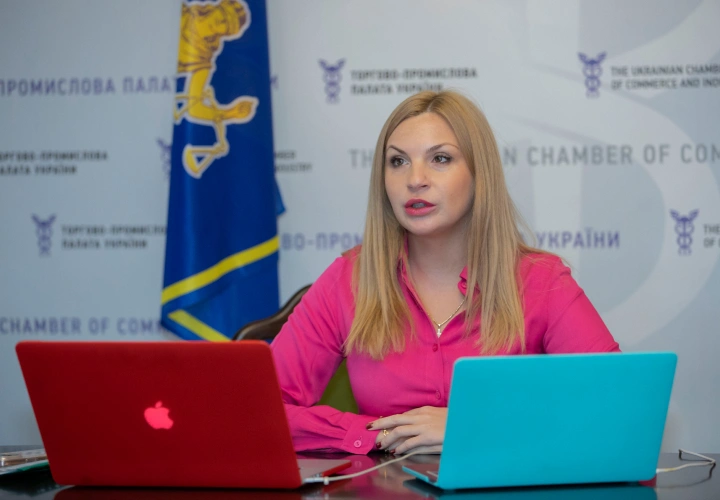
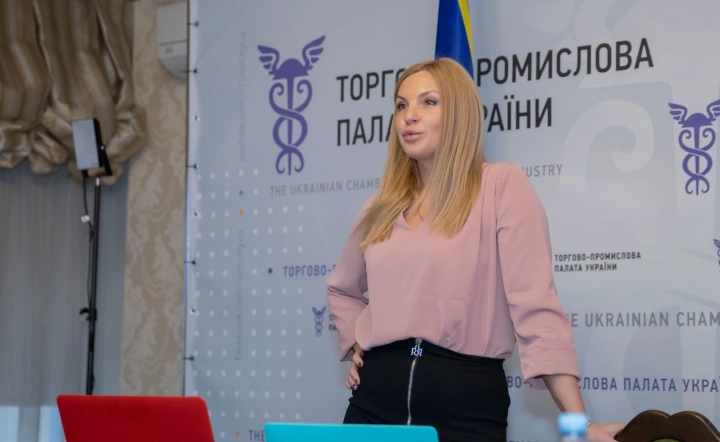
On December 9-10, 2024, the Chamber of Commerce and Industry of Ukraine hosted training sessions titled “Consumer Rights Protection in the EU and Interaction with Ukrainian Legislation”. The project was initiated by the European Parliament and organized by the European Commission.
Anna Vinnychenko – a representative of the Chamber of Commerce and Industry of Ukraine in Poland, national trainer, and expert on consumer rights protection and international trade law according to EU standards (consumer law) – highlighted the risks of trade within the EU and the implementation of European standards in Ukraine.
Key aspects of the training:
- Key provisions of Ukrainian consumer protection legislation compared to EU law.
- Implementation of Directive 2011/83/EU on consumer rights and the scope of European legislation.
- Analysis of real cases from trading practices, including tools and solutions for day-to-day business operations.
Why is this important today?
“Currently, Ukraine still operates under the Law of Ukraine ‘On Consumer Rights Protection’ of 1991,” explains Anna Vinnychenko, who is also the founder of the Winnerlex law firm. “The Verkhovna Rada of Ukraine adopted a new Law of Ukraine ‘On Consumer Rights Protection’ of 2023, which will come into effect one year after its publication—specifically on July 7, 2024, but not before the termination or cancellation of martial law. The new law implements many significant EU normative directives on consumer rights protection that are already in force in the EU and which Ukrainians are yet to familiarize themselves with. Therefore, it is crucial for Ukrainian entrepreneurs to prepare for these changes.”
EU consumer protection legislation consists of various legal acts adopted by the European Union over the past 25 years, which have been incorporated into the national legislation of each EU member state. In 2017, the European Commission completed an evaluation to assess whether these rules meet their intended purpose. The main conclusion was that existing rules need better enforcement by authorities and greater awareness among businesses and consumers.
About the “Readiness to Protect Consumer Rights” Project
The “Readiness to Protect Consumer Rights” project, under which training sessions for small and medium-sized businesses, lawyers, and future trainers were held, aims to enhance sellers’ knowledge, particularly SMEs, about consumer rights in the EU and their corresponding legal obligations, as non-compliance may result in liability of up to €2 million or 4% of the seller’s annual turnover.
Accordingly, during the training, the most critical issues and risks faced by businesses selling goods and services to EU consumers were addressed, including:
- Can the application of EU consumer protection legislation be excluded or limited when trading in the EU, including online?
- What information must be provided to EU consumers before they make a payment on a website.
- What are the restrictions on the right to return goods or cancel services?
- Replacement or repair? Or a discount? Or a full refund? Which of these must be applied under the requirements of the warranty rights directive?
- The “blacklist” of prohibited commercial practices. 37 entrepreneur actions that immediately place them in a risk zone, such as reselling event tickets to consumers. What are the penalties for purchasing tickets using automated tools to bypass any ticket limit restrictions?
- Which EU body can be approached to protect one’s rights?
- Are all issues resolved through courts, or can alternative non-judicial bodies, including online mechanisms, be used?
At the end of the training, each participant received a certificate of basic knowledge of EU normative directives on consumer rights protection. This knowledge base enables businesses to enter the European market now, considering all trade risks within the EU, and be fully prepared for consumer protection reforms in Ukraine.
Partners and Support of the “Readiness to Protect Consumer Rights” Project.
The “Readiness to Protect Consumer Rights” project is a pan-European initiative managed by EUROCHAMBRES (Association of European Chambers of Commerce and Industry) in consortium with BEUC (European Consumer Organization) and SMEunited (Association of Crafts and SMEs in Europe). The project is funded by the European Union with support from the European Commission.